How a sourdough starter actually works
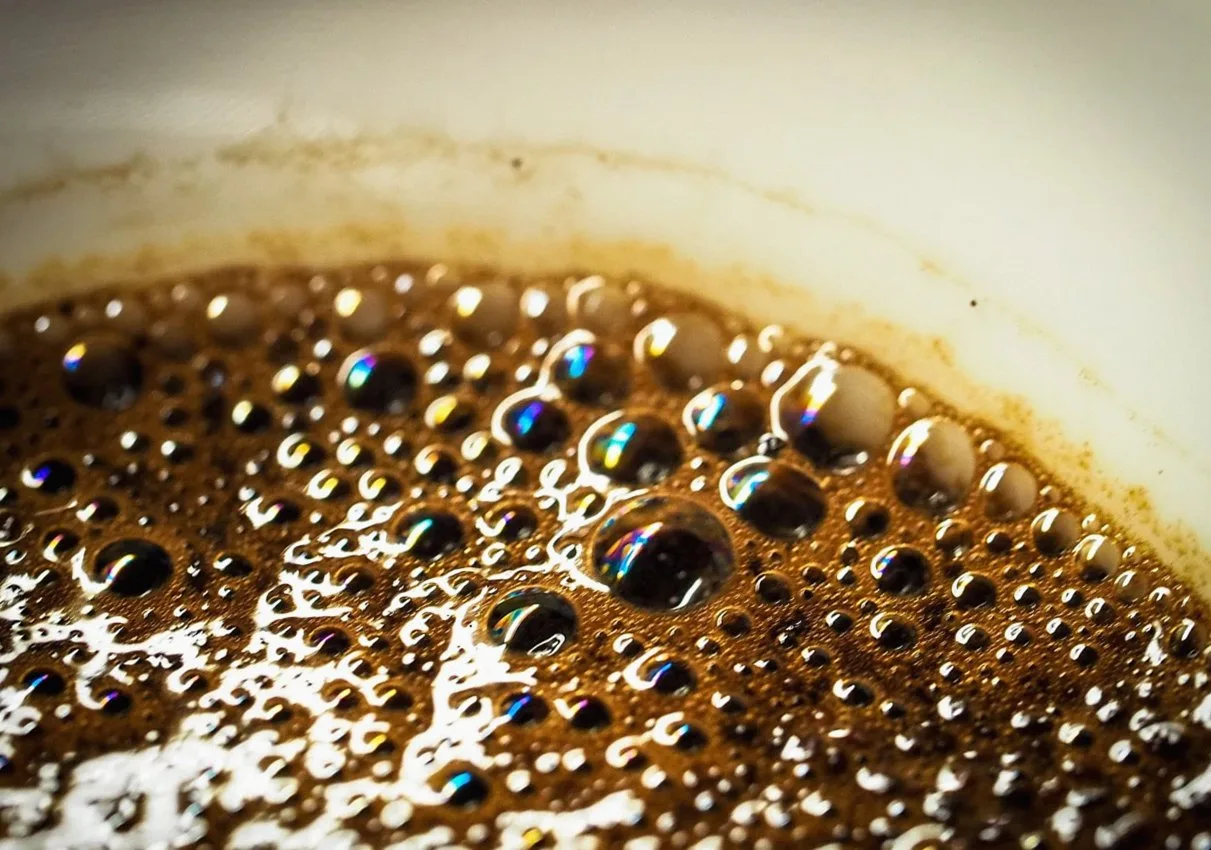
Most people who ask about the sourdough starter at Sparrow Windmill want to know one of two things: how do you keep it alive, or why did mine die? Both questions have the same answer at their root, which is that a starter is a living culture of wild yeast and bacteria, and it behaves like one.
What is actually in a starter
A sourdough starter is a mixture of flour and water that has been colonised by wild yeast and lactic acid bacteria. The yeast produces carbon dioxide, which makes the dough rise. The bacteria produce lactic and acetic acids, which give sourdough its flavour and help preserve the bread. Neither the yeast nor the bacteria were added deliberately: they came from the flour, the air, and the water.
The balance between the two determines the flavour of the bread. A warmer, wetter starter tends to favour lactic acid bacteria, which produce a milder, yoghurt-like sourness. A cooler, stiffer starter tends to produce more acetic acid, which is sharper and more vinegary. Most home bakers are aiming somewhere in the middle without necessarily knowing it.
Why feeding matters
Feeding a starter means discarding a portion of it and adding fresh flour and water. The discard removes accumulated acids that would eventually inhibit the yeast. The fresh flour provides new sugars for the yeast and bacteria to consume. Without regular feeding, the culture becomes too acidic and the yeast activity drops off.
The frequency of feeding depends on where you keep the starter. At room temperature in a warm kitchen, once or twice a day is usually right. In the fridge, once a week is enough. The starter at Sparrow Windmill lives on the counter during the week and goes into the fridge on Sunday evening.
What goes wrong and why
The most common problem is a starter that smells strongly of acetone or nail varnish. This usually means it's been left too long between feeds and the acetic acid has built up. A few days of regular feeding at room temperature usually brings it back.
A pink or orange streak in the starter is a sign of contamination and the starter should be discarded. This is rare but it does happen, usually when the jar hasn't been cleaned properly. The Sparrow Windmill starter has been running since 2019 and has never had this problem, but it gets a clean jar every two weeks.
If you want to see what a well-maintained starter produces, the loaves are on the counter on Thursdays and Fridays. The rye-wheat blend shows the acidity most clearly.